
The 99% Standard
How I Eradicated Endpoint Chaos in 120 Days


When I stepped into my first CISO role, the most dangerous thing in the room wasn’t a hacker—it was the data.
On Day One, our endpoint compliance percentage was effectively unknown. We had three different tools reporting three different sets of numbers, each one screaming a different version of the “truth.” This is the “Fiduciary Blind Spot” that keeps CEOs awake at night: an organization that is spending money on security but has no idea if it’s actually safe.
Here is how we moved from total visibility fog to 99% compliance in four months.
Phase 1: Killing the Noise (Days 1–15)
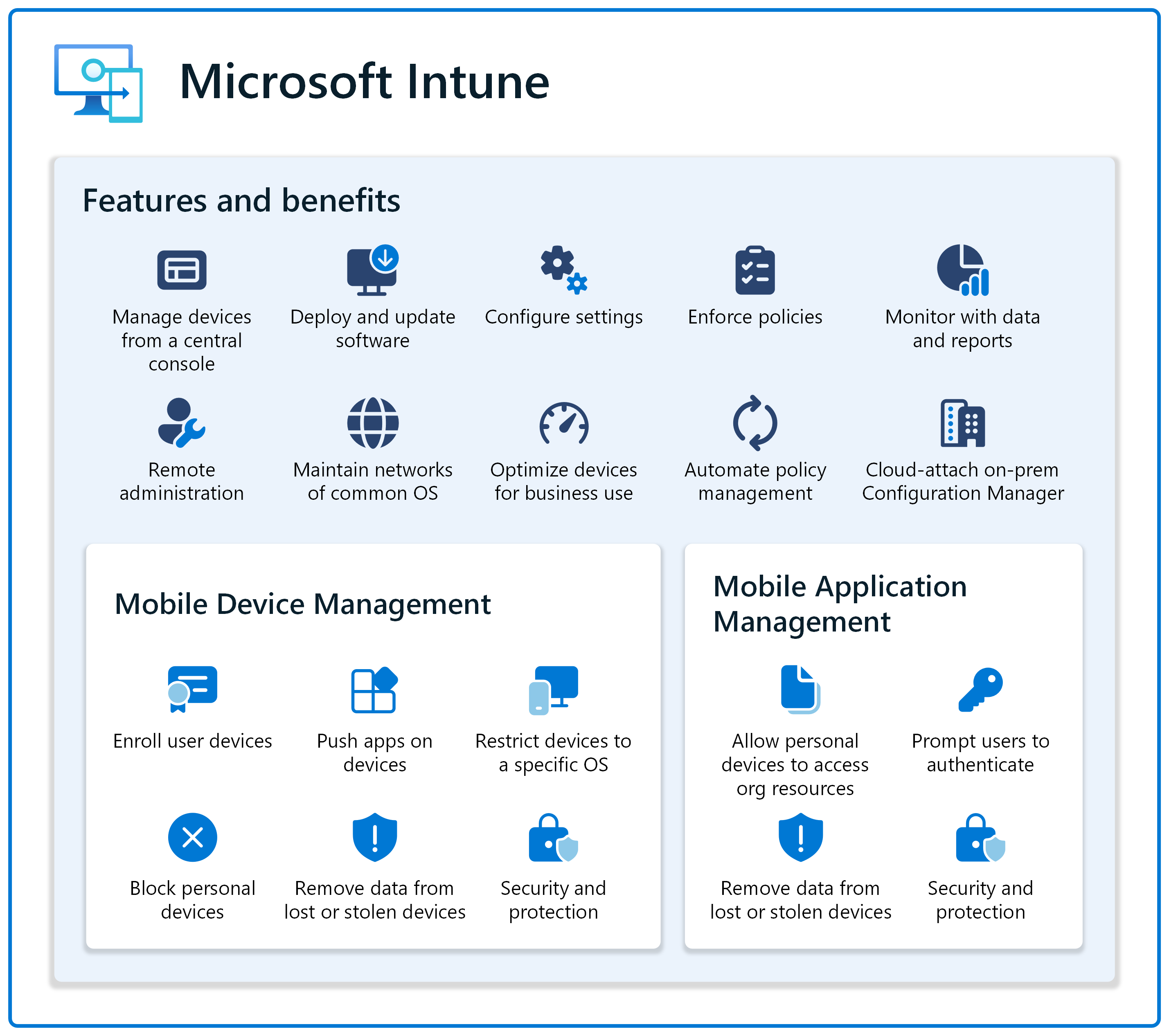
The first step wasn’t buying a new tool; it was an act of radical simplification. We threw out the conflicting data and standardized on a single source of truth: Microsoft Intune.
Most organizations fail here because they view endpoint management as a “nice-to-have” IT expense. They don’t see the value in taking the “full leap.” But centralization is the only way to achieve Ownership of the Machine. We declared that if a device wasn’t in Intune, it didn’t exist.
Phase 2: The “Conditional Access” Gate (Days 16–45)
We didn’t chase employees down hallways to install software. We used Conditional Access policies.
We set a hard line in the digital sand: If your device does not have our baseline security suite (Endpoint Protection and SIEM) and does not meet our specific hardening policies, you cannot connect to the network.
Suddenly, the “unknown” became visible. People who couldn’t connect came to us. This allowed our local IT teams to move from “detectives” to “remediators,” bringing devices into the fold one by one. By Day 45, we hit 95% compliance.
Phase 3: The “Magic” of CIS Hardening (Days 46–90)
Compliance is a hollow metric if the devices themselves are “soft.” We utilized the CIS 18 Controls and loaded those presets directly into Intune.
By creating these baseline hardening standards, we achieved a respectable level of hardware and software security almost instantly. We then moved to Golden Images. For any new machine being deployed, compliance was no longer a “task”—it was the factory default. You are “forever compliant” the moment the box is opened.
Phase 4: The Vulnerability “Kill Shot” (Days 91–120)
This is where the strategy turned from “IT Cleanup” to Profit-Driven Efficiency.
By centralizing software management within Intune, we effectively killed off 80% of the need for a traditional Vulnerability Management program.
The Efficiency: Common patches are now handled via vendor updates automatically.
The Focus: My team no longer wastes hundreds of man-hours on “routine” patching. We saved our energy for the 10-20% of “complex” fixes—the rare Zero Days that actually require senior intervention.
The Result: 99% Stability
By Day 120, we hit 99%. That final 1% is the “living margin”—devices undergoing maintenance or IT support at any given second.
The Lesson for the Board: For smaller organizations strapped for resources, money, and time, this approach is superior. It isn’t just about “security”; it’s about Infrastructure Radicalization. By reducing the labor required to manage the “standard,” we freed up the capital and brainpower to focus on high-value growth.